-Aug-04-2026-10-23-01-6514-AM.png)
Independence Day is more than a single promotional event. It marks the beginning of India's festive shopping season, when consumers start discovering...
Read More
Independence Day is more than a single promotional event. It marks the beginning of India's festive shopping season, when consumers start discovering...
Read More
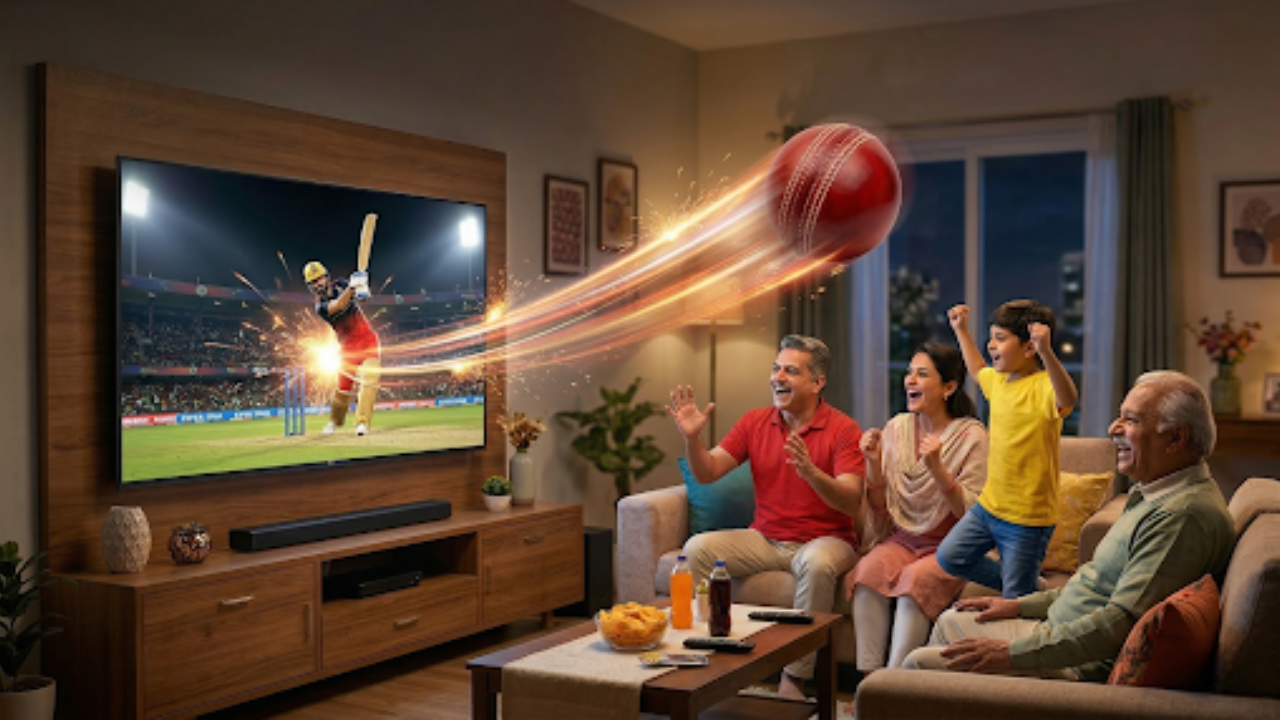
Every year, sometime between March and May, India pauses. Streets get quieter in the evenings, office meetings wrap up early, and millions of living rooms turn into stadiums. The spectacle is the Indian Premier League.
But beyond the sixes, rivalries, and last-over thrillers, IPL has evolved into something far bigger. It is now one of the most influential advertising ecosystems in the world.
What once began as a television-dominated sports property has rapidly transformed into a cross-screen media powerhouse. Today, the biggest shift shaping IPL advertising is the rise of Connected TV (CTV).
For marketers, IPL is no longer just about buying reach. It is about owning moments on the biggest screen in the home.
IPL has grown into a massive advertising marketplace.
The report states that the IPL digital ad spends are projected to rise from INR 3,800 to INR 4,400 crores in 2026 IPL. (OutlookIndia)
The audience scale is equally staggering:
For marketers, that kind of attention is rare. But what makes IPL truly transformative today is where that attention is shifting.
For years, the narrative around digital consumption in India revolved around the smartphone. Cricket, however, has quietly changed that story. During the IPL, the living room television has re emerged as the centre of attention, but this time powered by the internet.
Industry data shows:
This shift reflects something deeper than platform preference.
Consumers are increasingly combining the precision of digital with the immersive experience of television.
A cricket match is not background content. It is a shared moment. And brands want to appear where those moments unfold.
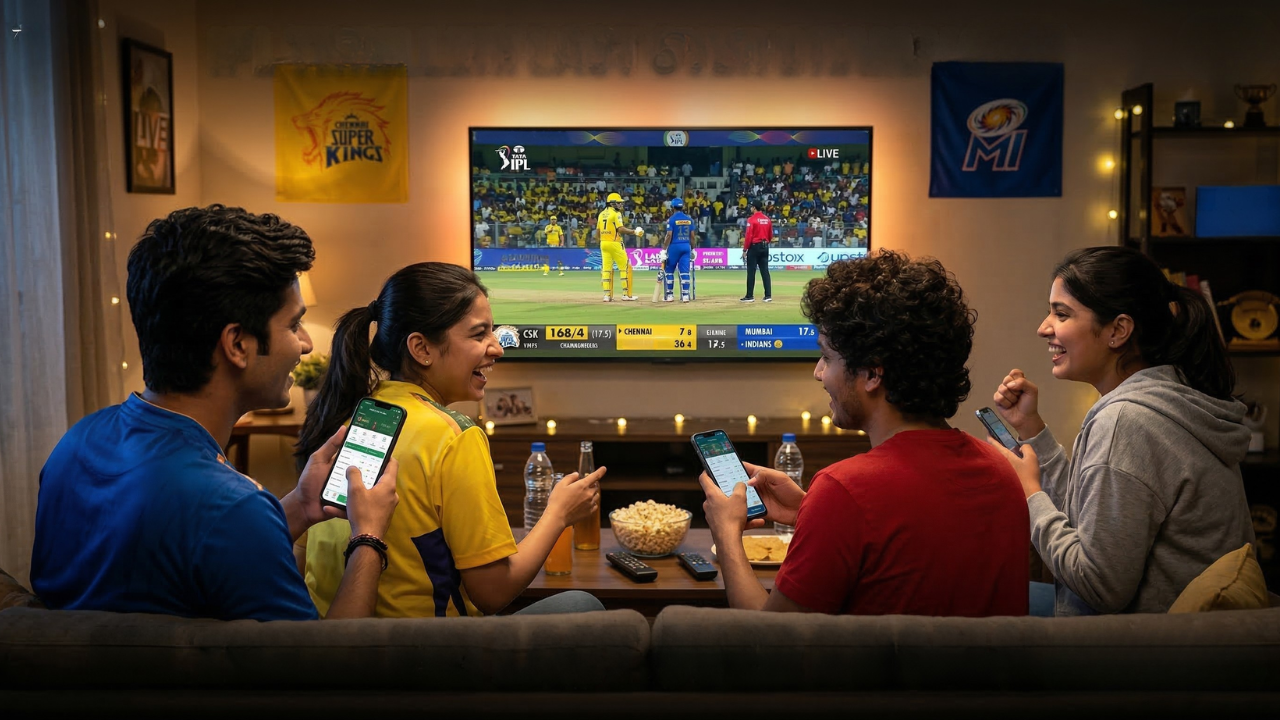
Today’s IPL viewer is no longer a passive television audience. The big screen has evolved into an interactive entertainment hub where viewers actively shape their viewing experience.
Streaming platforms now allow fans to personalise how they watch the game. Viewers can switch between multilingual commentary feeds, explore different camera angles, follow real time statistics, and simultaneously engage with conversations on social media. What used to be a one way broadcast has become a dynamic viewing environment that keeps audiences engaged for longer sessions on connected televisions.
This behavioural shift is also visible in how audiences choose platforms. Industry reports indicate that digital platforms surpassed traditional television viewership during IPL 2025, marking a significant milestone in India’s media evolution. At the same time, nearly 23 percent of Indian audiences now consume media exclusively through digital platforms, highlighting how rapidly viewing habits are changing (The Economic Times).
The result is a fundamentally different media environment. Instead of audiences choosing between television and digital, the two experiences are merging on the same screen.
For advertisers, this changes the playbook entirely. The question is no longer whether to invest in television or digital. The real opportunity lies in designing cross screen strategies that capture viewers across the connected living room, mobile devices, and second screen interactions during live matches.
The appeal of CTV for marketers lies in a rare combination: scale and precision.
Traditionally, TV offered reach but limited targeting. Digital offered targeting but smaller screens.
Connected TV brings both together.
During IPL campaigns, advertisers have seen measurable benefits:
Even more interesting is how little duplication exists across devices.
A cross screen measurement study found less than 5 percent overlap in ad views across CTV, linear TV and mobile. (Business Standard)
This means every additional screen actually expands reach rather than cannibalizing it.
For marketers chasing incremental audiences, that is a powerful proposition.
The IPL advertising mix has also evolved.
Categories that traditionally relied on performance marketing are now investing heavily in big screen storytelling.
Reports from IPL seasons highlight strong CTV ad volume from sectors such as:
Interestingly, some industries are aggressively prioritizing the big screen.
For example, BFSI brands have directed around 70 percent of their ad volumes to CTV platforms during IPL campaigns. (SocialSamosa)
This signals a shift in thinking.
Brands are no longer treating CTV as experimental inventory. It is increasingly becoming a primary channel for premium storytelling and upper funnel impact.
Another major behavioural shift is the rise of regional consumption.
Nearly 69 percent of viewers now watch IPL in their local language, highlighting the growing importance of localized experiences. (Marketing Mind)
Streaming platforms now offer multiple regional commentary feeds and language options.
This creates new opportunities for advertisers:
For brands, IPL is no longer just a national event. It is a deeply localized media environment.
Perhaps the biggest transformation is philosophical.
Earlier, IPL advertising was largely about buying visibility during commercial breaks.
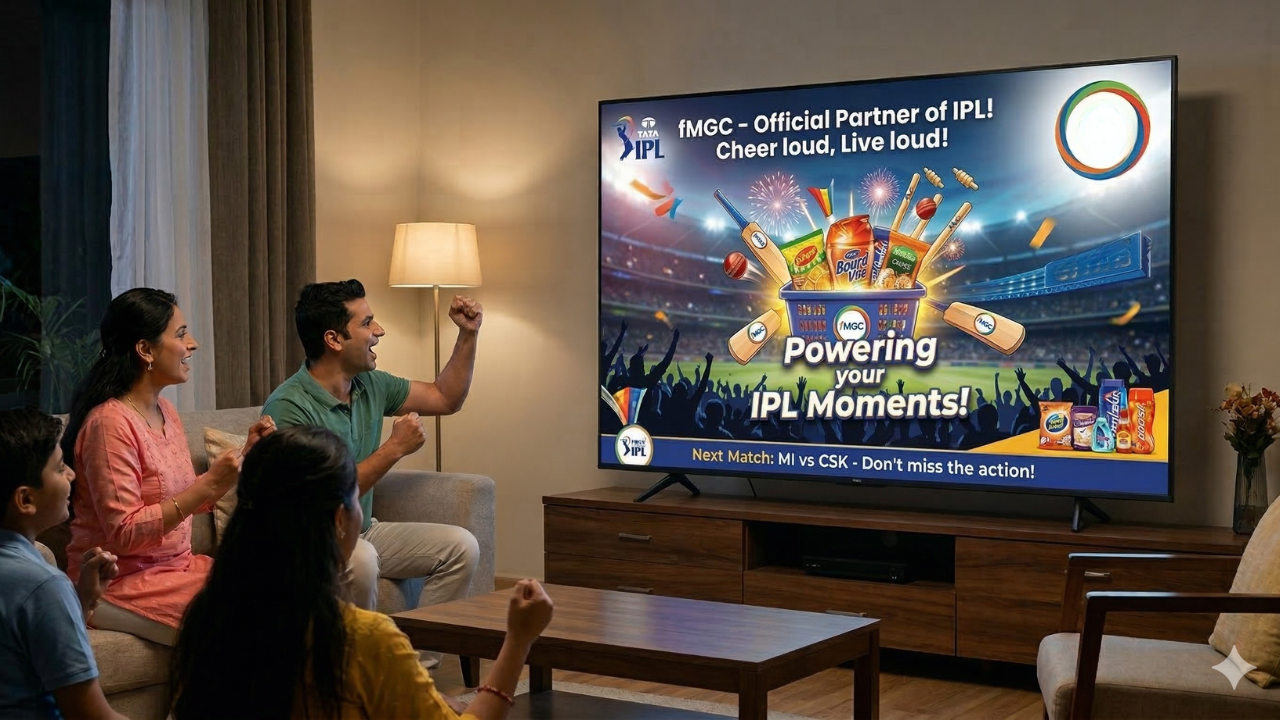
Today, brands are designing experiences around the match itself.
Examples include:
IPL has effectively become a live marketing platform, where storytelling evolves in real time with the game.
The IPL ecosystem is offering a glimpse into the future of advertising in India.
Three clear trends are emerging:
CTV combines television scale with programmatic targeting.
When a batsman launches the ball into the stands during an IPL match, millions of viewers experience that moment together.
But today, those moments are not just happening in stadiums or on cable television. They are unfolding across living room screens connected to the internet.
For marketers, this is more than a media shift. It is a behavioral transformation.
IPL is no longer just cricket. It is India’s largest cross screen advertising stage.
And increasingly, the connected television in the living room is where the biggest marketing stories are being told.