-Aug-04-2026-10-23-01-6514-AM.png)
Independence Day is more than a single promotional event. It marks the beginning of India's festive shopping season, when consumers start discovering...
Read More
Independence Day is more than a single promotional event. It marks the beginning of India's festive shopping season, when consumers start discovering...
Read More
Festive seasons in Southeast Asia are more than calendar milestones. They are deeply cultural touchpoints that reshape consumer priorities, media consumption, and marketplaces. Festivals such as Chinese New Year, Ramadan, and Hari Raya drive significant spikes in retail activity and advertising engagement, requiring marketers to move beyond generic seasonal campaigns to culturally synchronized, data-informed strategies.
Yet, today’s consumers are navigating higher living costs and inflationary pressure. That shapes their festive buying behavior. Deals and value matter, but emotional resonance and digital engagement now determine which brands truly connect.
Across the region, festival shopping is both intentional and omnichannel.
Value and intentional spending dominate:
High cost of living remains top of mind for consumers across Southeast Asia, with nearly nine in ten saying they are concerned about rising costs. A majority delay purchases until major sales events. Online shopping is preferred for deal hunting, and participation in large sales events is high.
Digital and physical touchpoints converge:
Online channels, especially mobile, are core to festive shopping behavior. As ecommerce expands, video commerce and multiscreen consumption are reshaping discovery and purchase paths.
Emotion drives engagement beyond discounts:
Festive intent is fueled by cultural emotion and storytelling. Narratives that reflect family, tradition, and identity drive higher recall and deeper consumer affinity during key festivals.

Chinese New Year continues to be a protected retail moment across Southeast Asia, with resilient spending and high promotional engagement despite economic pressures.
Fashion shopping behaviour highlights sharp market contrasts. In Singapore, 58 percent purchase in physical stores, 22 percent via brand websites, and 17 percent through marketplaces. Malaysia mirrors a balanced split with 50 percent offline and 29 percent digital. Thailand leans into marketplaces at 39 percent, while Vietnam leads digitally with 52 percent buying via marketplaces and only 31 percent in store.
Promotion sensitivity is widespread. Active deal hunting is highest in Thailand at 76 percent and Vietnam at 79 percent, followed by Malaysia at 68 percent and Singapore at 58 percent. Group buying, while niche in Singapore at 11 percent, rises significantly to 20 to 23 percent across Thailand, Malaysia, and Vietnam. Flash sales drive urgency in Thailand, group discounts resonate in Malaysia and Vietnam, and bundled convenience works best in Singapore.
Spending resilience remains strong, despite economic headwinds. In Singapore, 58 percent expect spending to stay the same and 31 percent expect increases, with only 11 percent planning cuts. Optimism is higher in Thailand and Vietnam, where 53 percent and 62 percent respectively anticipate spending more.
For marketers, this signals one clear reality: CNY strategies must reflect each market’s channel maturity, value triggers, and promotional behaviour while leveraging culturally anchored storytelling to convert sustained intent into action. (Source: milieu)
Marketer takeaways: One regional strategy will not work. Align commerce activation with each market’s channel maturity and promotion triggers, while anchoring campaigns in culturally relevant storytelling to capture both intent and emotion.
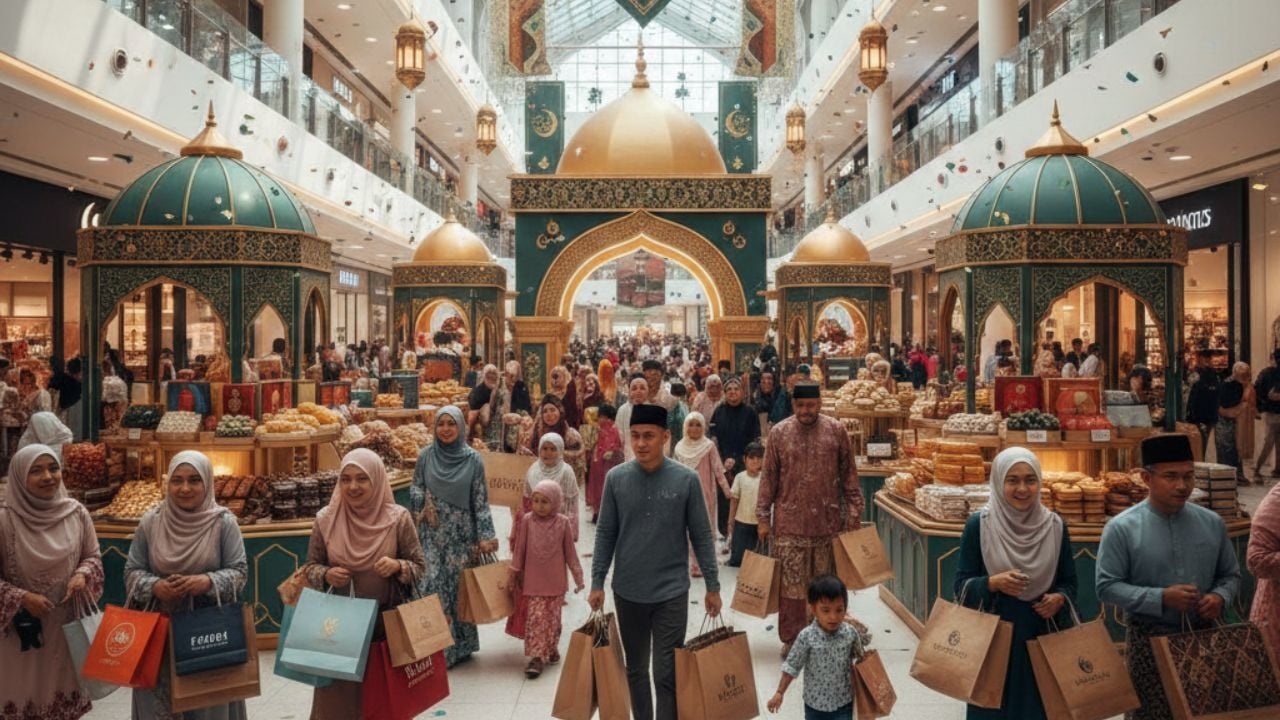
Ramadan remains one of Southeast Asia’s most commercially significant retail periods, extending well beyond a last-minute Eid spike.
In 2025, retail sales across the region grew 13 percent year-on-year during Ramadan. Consumers are planning earlier, with an average 19-day gap between the first product visit and purchase in the final two weeks, even as conversions peak closer to Eid. Indonesia saw final fortnight sales surge 35 percent, and Malaysia 26 percent, while Singapore remained steadier.
Religious and ceremonial categories led growth at 54 percent, followed by apparel and accessories at 18 percent, alongside broader festive spending across home, furniture, and food. The pattern is clear: Ramadan demand builds in phases, requiring brands to engage consumers well before the final days. (Source: MI)
Marketer takeaways:

Hari Raya shopping behavior underscores the cultural nuance within the region. Emerging insights show that consumers in Malaysia and Indonesia actively hunt deals for clothing and hampers within defined budget ranges, and digital commerce plays a central role in that process. (Source: mili.eu)
Even within this targeted deal pursuit, creative preference shows divergence, with Malaysian audiences responding strongly to nostalgic storytelling and Indonesian audiences engaging more with humor and inspiration. This requires differentiated creative frameworks to avoid one-tone seasonal messaging. (Source:FY Ads Singapore)
Marketer takeaways:
The evolving nature of festive media budgets reflects broader shifts in consumer behavior.
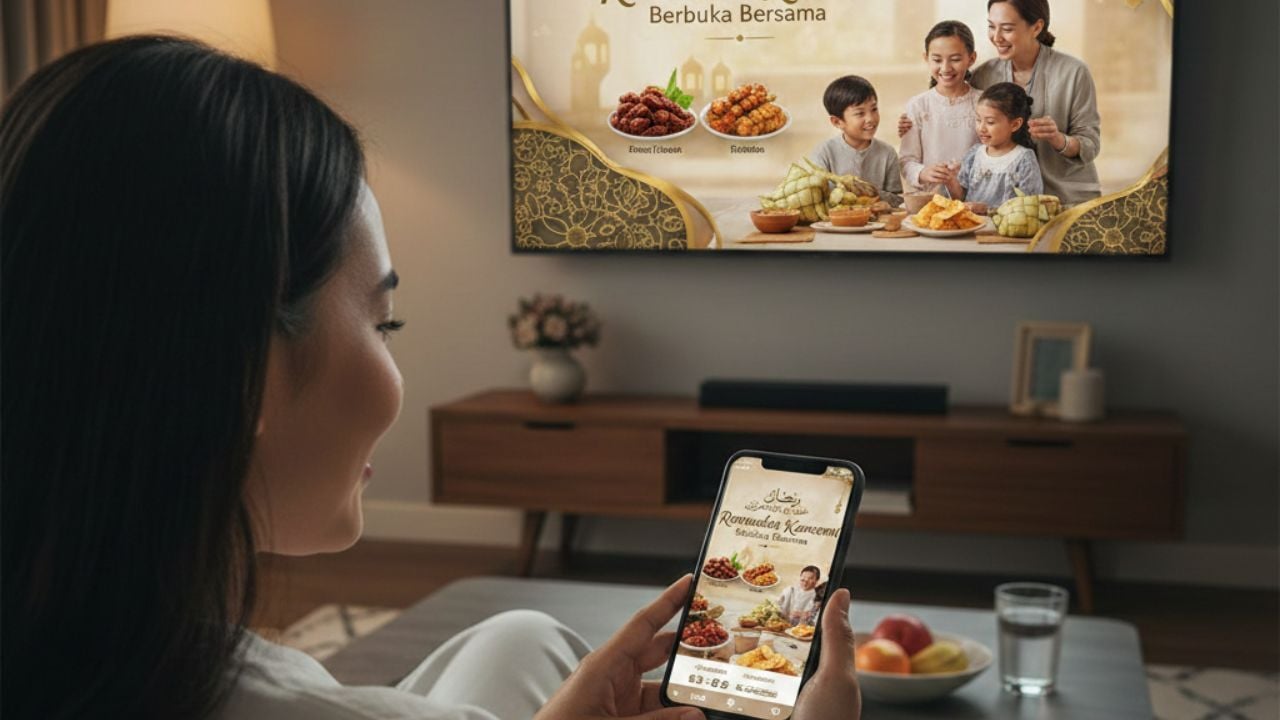
To capture festive momentum in Southeast Asia, marketers should:
Plan narrative arcs, not banners
Festive campaigns must begin before peak purchasing and extend beyond single dates to capture intent formation, evaluation, and conversion stages.
Activate across screens with coherence
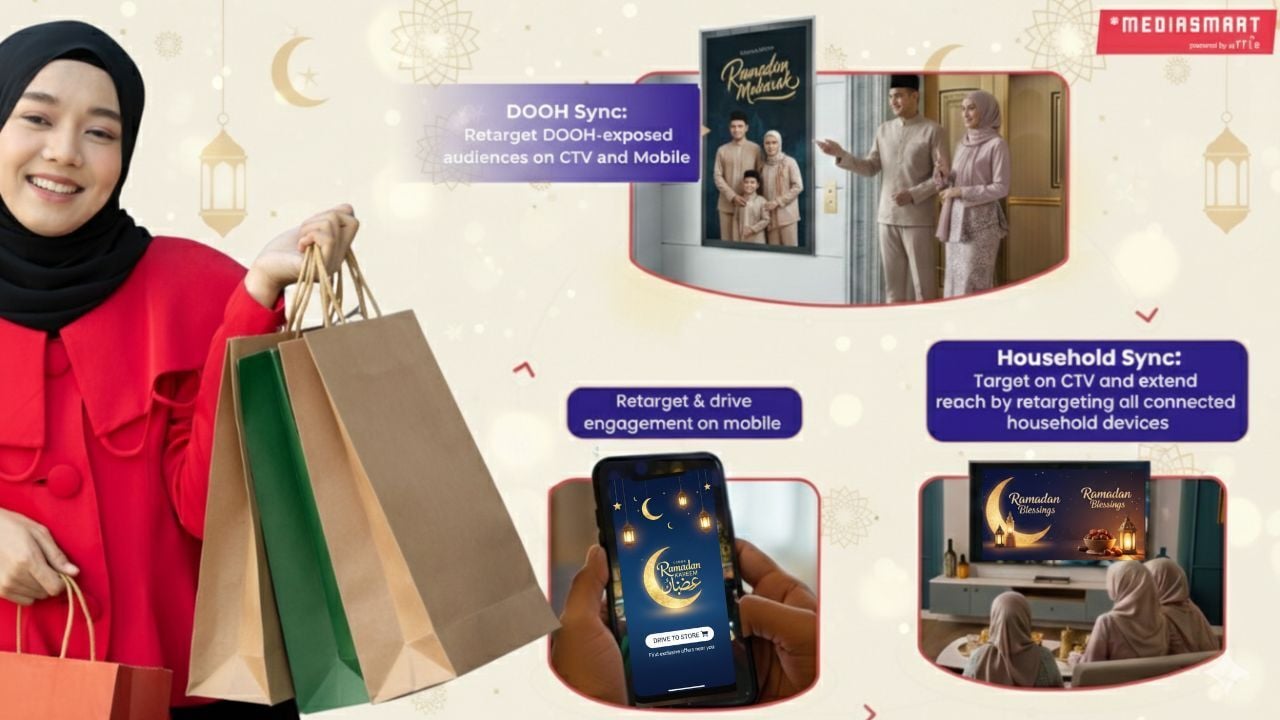
Connected TV builds cultural presence, mobile captures intent, and omnichannel tactics drive measurable action. Each touchpoint should carry contextually consistent language and timing.
Leverage data to personalize at scale
Festive intent is not monolithic. Build segmented journeys using first-party and contextual signals so that consumers receive relevant offers and creative experiences across their preferred screens.
Measure impact beyond impressions
Festive success must be quantified with meaningful KPIs tied to reach, message resonance, and conversion across connected screens and digital environments.
At mediasmart, we see festive seasons not as ephemeral spikes but as extended cultural journeys where emotional resonance converges with performance signal flows across screens. In practice, this requires three core principles:
Festive marketing in Southeast Asia is evolving rapidly. The brands that win are those that understand the cultural context, leverage diverse screens strategically, and connect emotionally while driving efficiency and growth.
Festive marketing in Southeast Asia demands more than heightened budgets and seasonal creatives. Chinese New Year, Ramadan, and Hari Raya each reveal distinct patterns in intent, value sensitivity, media consumption, and cultural expectation.
Consumers plan earlier, move across screens fluidly, and respond to authenticity over spectacle. Emotional relevance drives recall, while data driven timing drives conversion.
The brands that win will be those that align cultural nuance with precise activation, build coherent multiscreen journeys, and measure success beyond reach alone. Festive moments are not short term spikes. They are strategic opportunities to combine storytelling, commerce, and performance with discipline and depth.
Topics: 2026